
Are you someone who loves growing plants? Do you want to decorate your kitchen with cute little greenery? If so, try growing the plants introduced below.
They'll not only be useful for your kitchen, but also helpful when cooking.
Lettuce
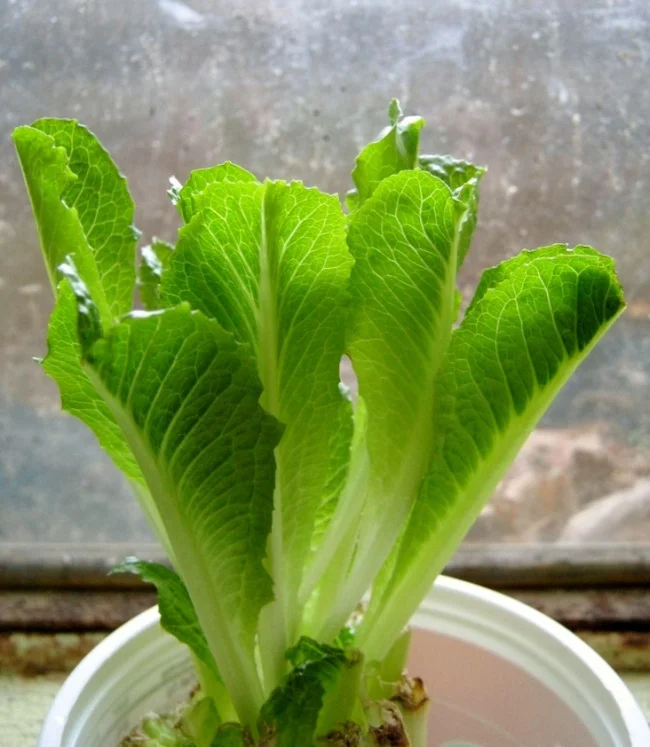
Growing lettuce is the easiest thing to do. Put the white root part of the lettuce into a glass bottle filled with water. Keep this plant under sunlight. You'll need to spray it with water regularly every day so the lettuce doesn't dry out.
After a few days, you'll see new roots starting to grow. After about a week, you can take the leaf out of the glass bottle and plant it in soil. You can also plant it directly in soil without putting it in a bottle first, but if you plant it directly like that, you'll need to water it generously.
Ginger
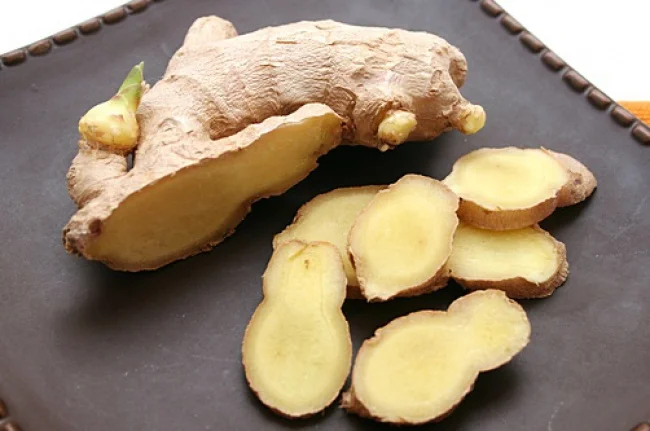
Plant a piece of ginger that has already sprouted roots into soil. Ginger needs light, but don't let it come into direct contact with the sun. Also don't forget to water it regularly every day. After a few days, you'll see new roots emerging. At that point, you can cut off as much as you need and use it in cooking.
Spring Onion
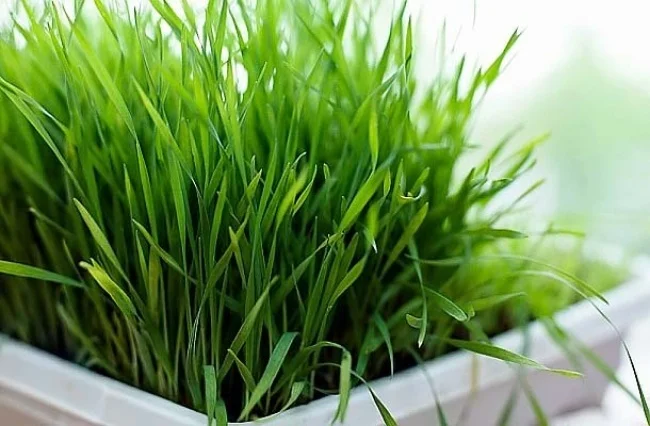
Spring onion roots only need a little water and only a little sunlight too. After planting the spring onion root, new leaves will appear again after about a week. After a week, transplant it into a larger flower pot. When the stalks grow to about 12 inches long, cut off whatever spring onion is showing above the soil with a knife or scissors. New stalks will grow again, so there's no need to worry.
Scallion
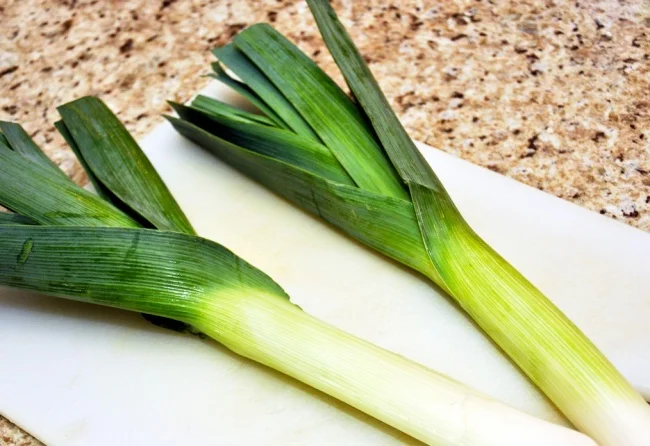
Scallion is also one of the easiest vegetables to grow. Put the lower stem part of the scallion that you don't use when cooking into a cup with a little water in it. Then let it get a little sunlight.
Also don't forget to spray it with water about once a week. Since scallion is a plant that doesn't require a lot of care, it won't be much trouble either.
Basil
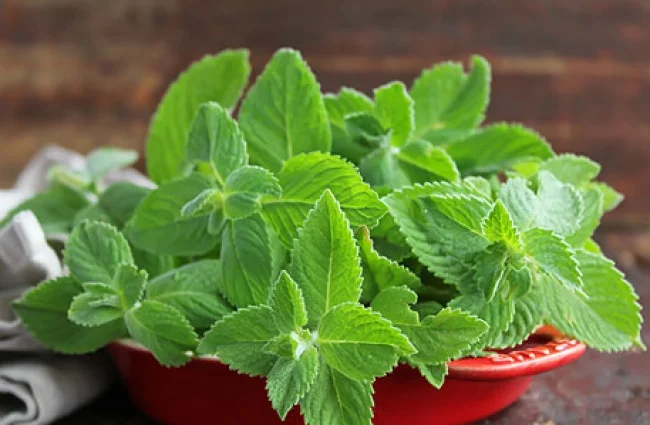
Plant basil seeds in a small flower pot. Since basil doesn't like soil that's waterlogged, you should use a spray bottle when watering it. After two weeks, you'll see little sprouts emerging from the seeds. One thing to be careful about is that basil doesn't like direct contact with sunlight, so you should keep it in a shaded spot.
Source: Brightside.me