Did you know that today's vegetables and fruits differ from fruits of ancient times not only in taste but also in shape?
Thanks to the remarkable efforts of scientists, tasteless foods have become exceptionally delicious, and their shapes have also become much more appetizing.
Let's take a look together at what kinds of foods humans have refined to make them taste exceptionally better.
Watermelon
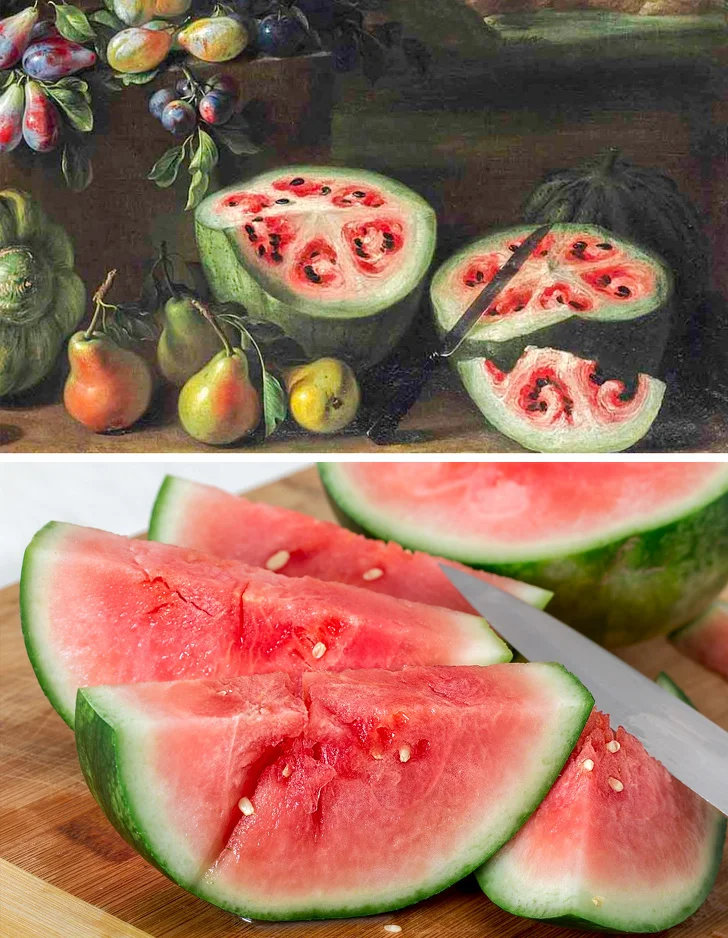
According to a 17th-century painting by the great painter Giovanni Stanchi, we can see that the watermelons of that era were quite different in shape from today's watermelons. Thanks to scientists' efforts, we can see that the flesh of watermelons has increased significantly.
Banana
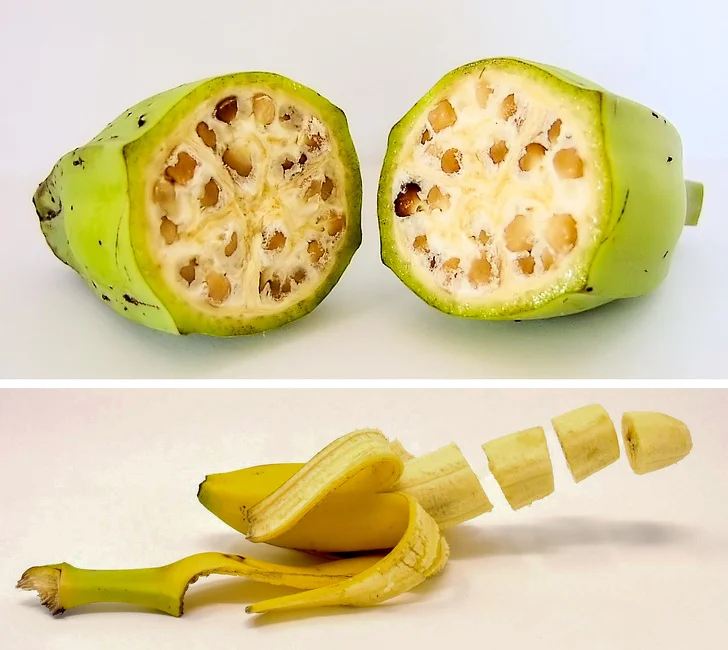
You would never have seen bananas like those from about ten thousand years ago. The inside flesh of those bananas was full of hollow holes. It took about 7,000 years for bananas to transform into the shape we eat and know today.
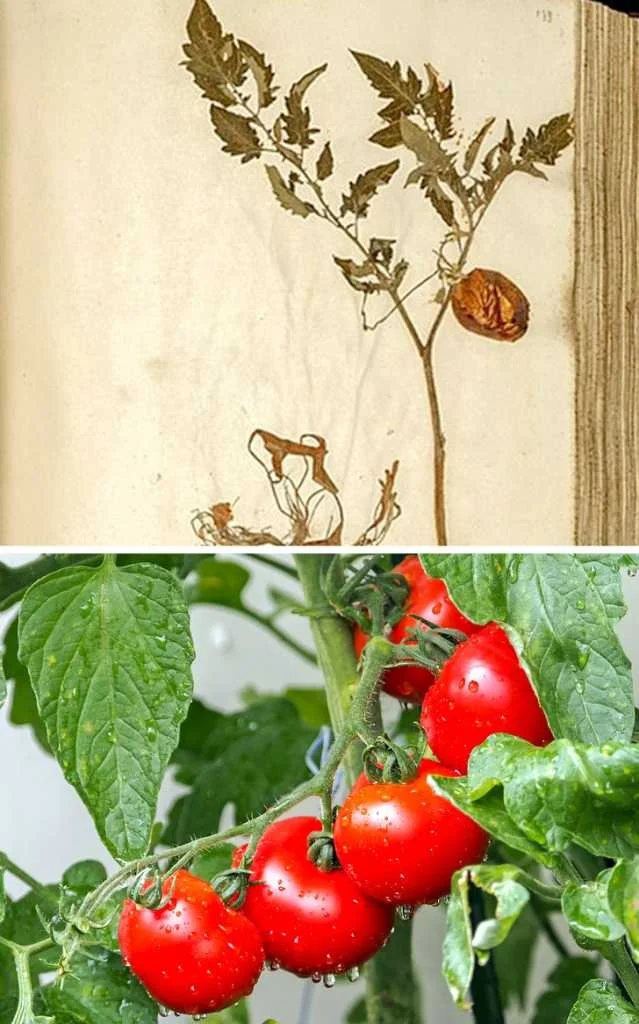
Tomato
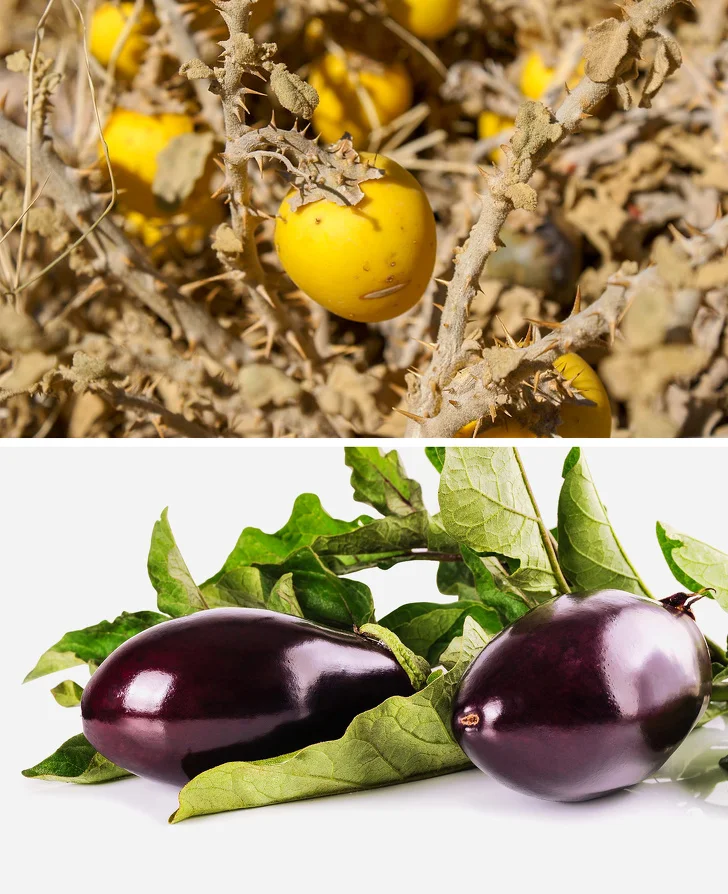
Tomatoes were first cultivated in China. At that time, tomatoes were thorny and also quite small in size. Their color was also yellow or bluish-grey. It took a very long time of effort to transform them into the tasty, elongated tomatoes we have today.
Peach
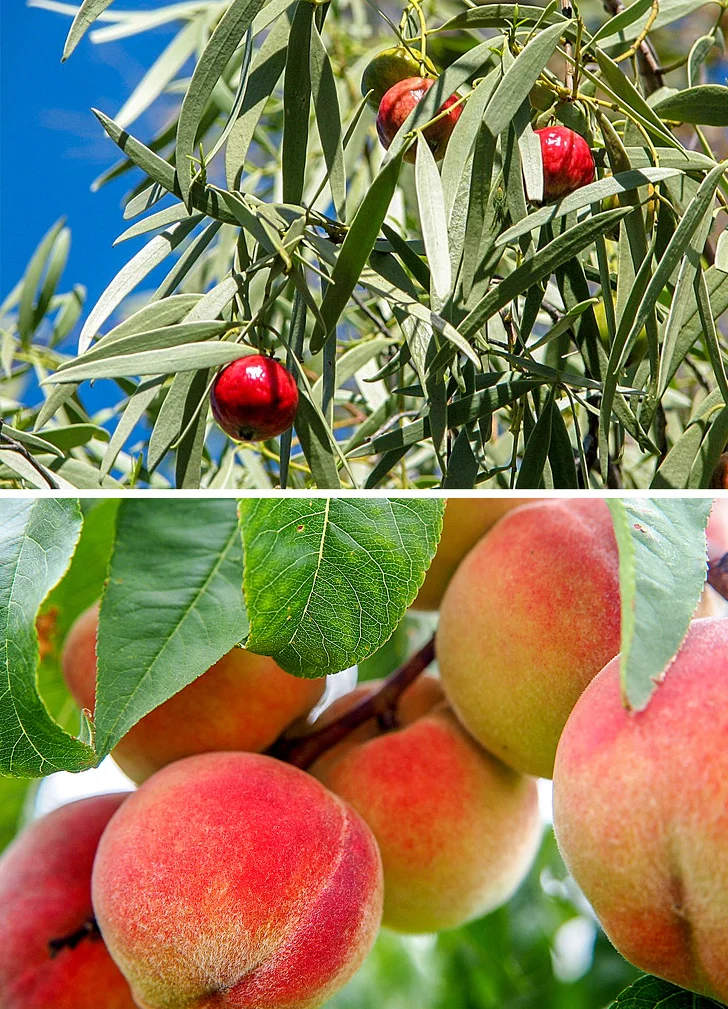
Ancient peaches were not juicy like today's peaches, and they were also smaller in size — only about as big as cherries.
Cucumber
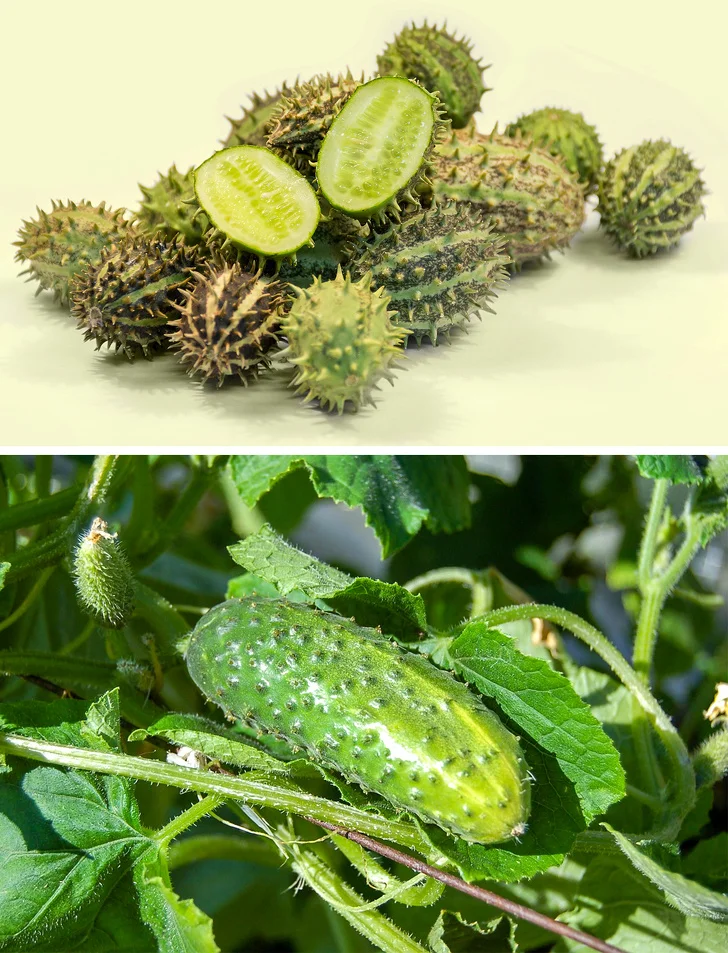
Many years ago, cucumbers were full of thorns and had many seeds. In addition, because they were toxic, they were not used for eating but only used in medicine preparation. It was only about six thousand years ago that people in India began eating them.
Avocado
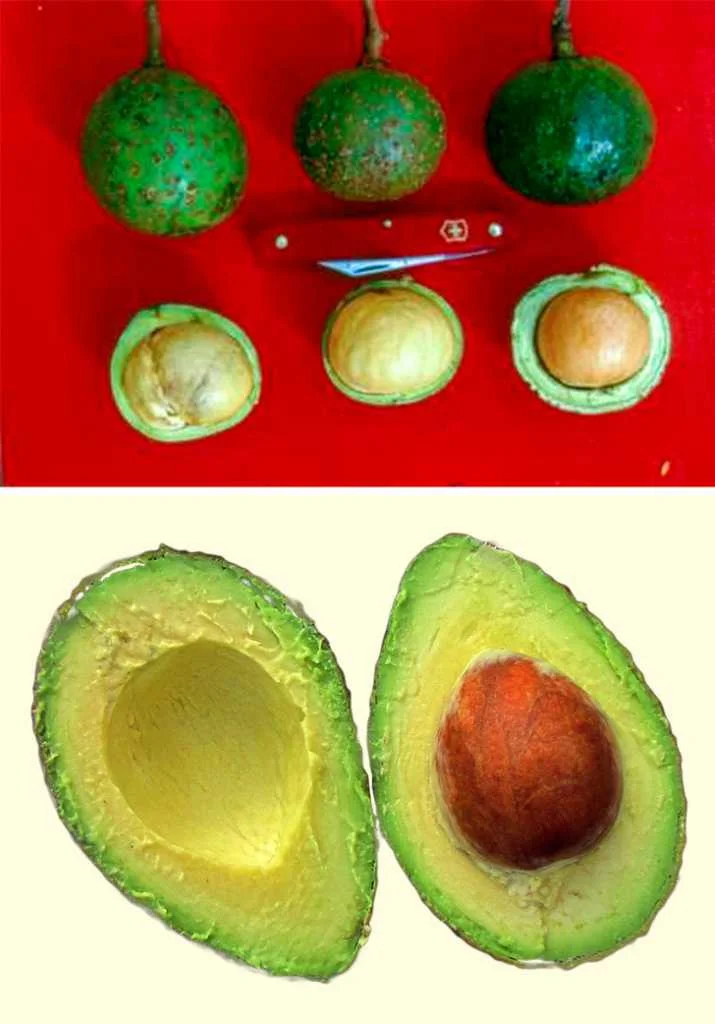
When avocados first appeared, about 80 percent of the avocado was made up of one large seed. Later on, the seed gradually became smaller while the flesh became thicker.
Eggplant
The first eggplants that were cultivated were as small as a dark berry. They were first cultivated in South America. At that time, people in European countries considered eggplants to be poisonous.
Source: Brightside.me