
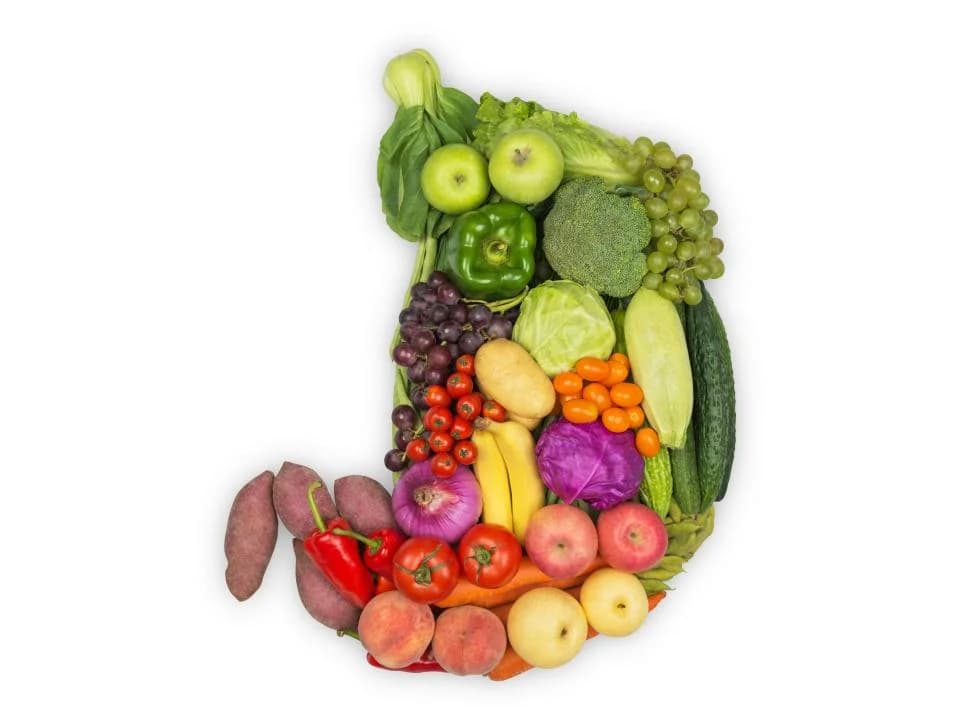
Digestive issues such as stomach cramps, stomach pain, bloating, gas, constipation, and diarrhea are things we all experience at one point or another in life.
If you experience these symptoms frequently, it's not good for your health. The good news is that by changing your eating habits and lifestyle, you can restore your stomach's health.
Eat plenty of fiber
Source: timesofindia.indiatimes.com
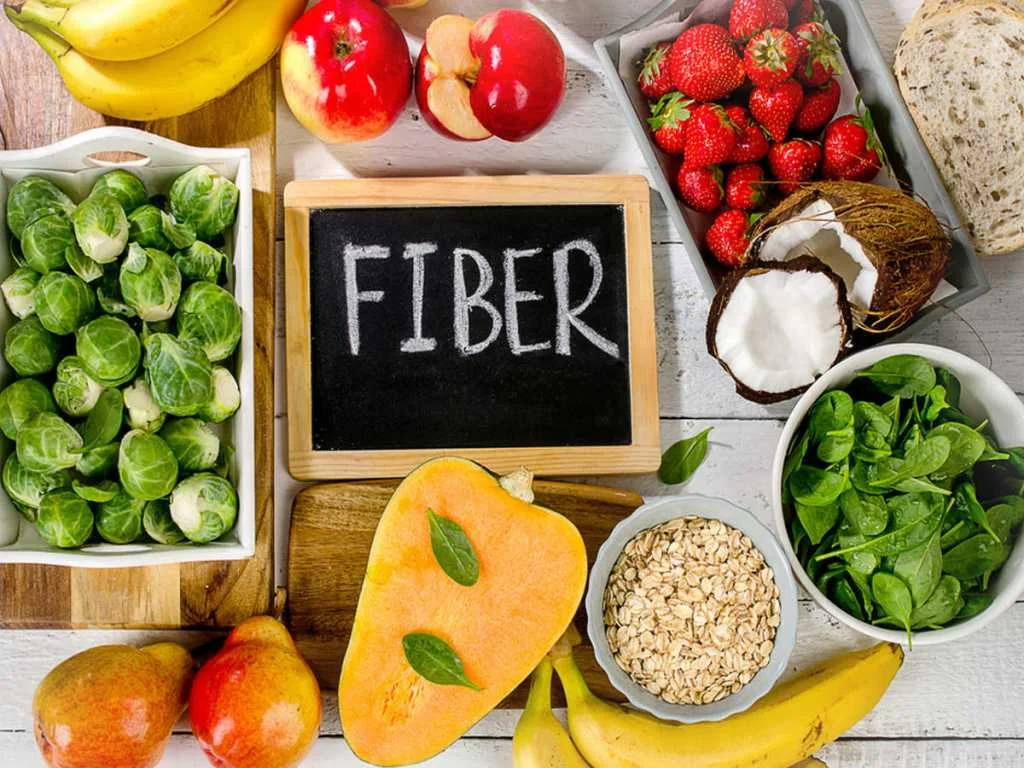
It's well known that foods rich in fiber improve the digestive system. Soluble fiber is found in foods like seeds, peanuts, and various beans, while insoluble fiber comes from eating vegetables. Both types of fiber help remove bacteria from the intestinal tract and improve digestion.
Rely on natural fats
Source: health.harvard.edu
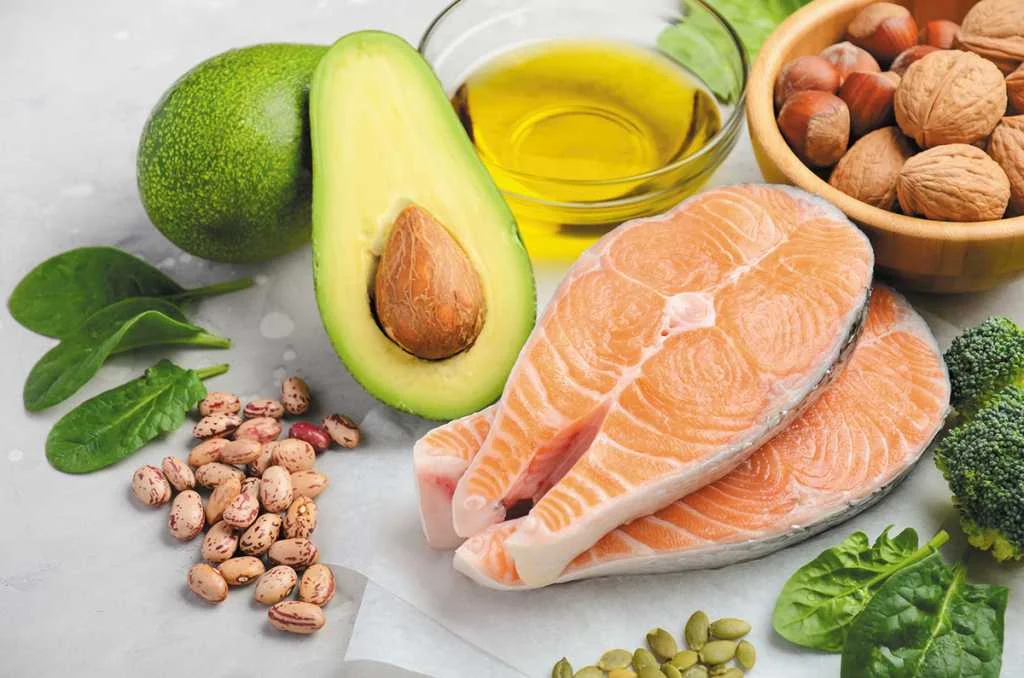
To keep your digestive system healthy, you need to get enough fat. After eating, fat helps your body absorb the nutrients it needs and also helps you feel full. Foods rich in omega-3 fatty acids can help prevent stomach inflammation.
Foods rich in omega-3 fatty acids include seeds, salmon, mackerel, and canned fish.
Stay well hydrated
Source: onegreenplanet.org
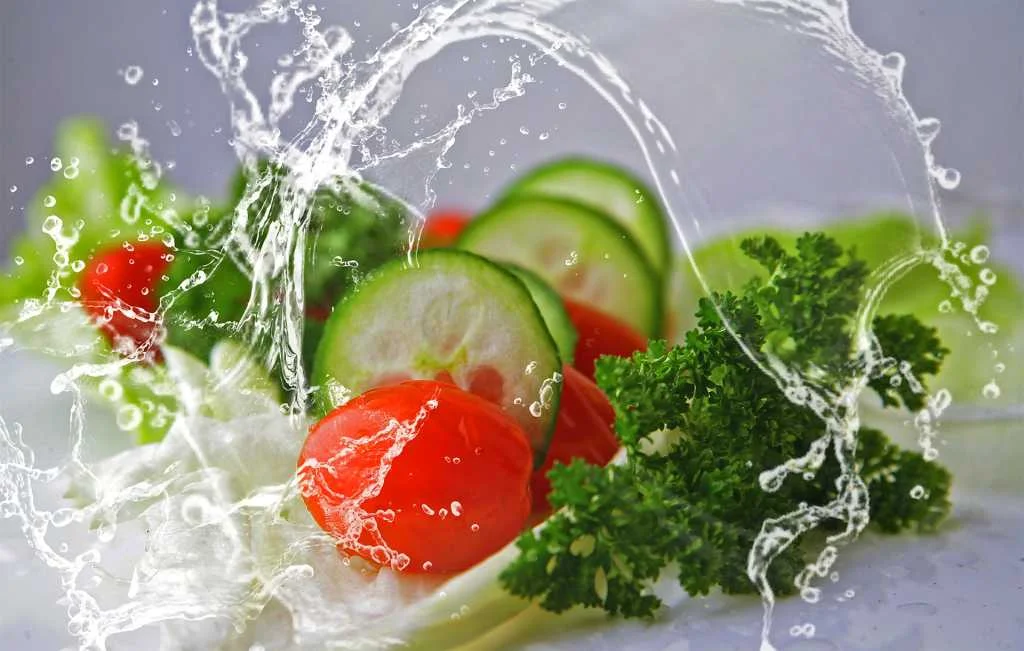
When your body doesn't get enough water, constipation can occur. To prevent constipation, you should drink 1.5 to 2 liters of water a day. During hot, dry weather or intense exercise, you should drink even more water.
In addition to drinking water, you can also eat water-rich fruits and vegetables such as cucumber, coriander, tomatoes, watermelon, strawberries, and grapefruit.
Eat mindfully

Source: momjunction.com
If you're not focused while eating and your mind is wandering, you won't chew your food thoroughly, which can lead to indigestion.
So, to eat mindfully while having your meal:
- Eat slowly
- Avoid watching TV or using your phone while eating
- Pay attention to and savor the smell and taste of your food
- Chew your food thoroughly
Digestive issues such as stomach cramps, stomach pain, bloating, gas, constipation, and diarrhea are things we all experience at one point or another in life.
If you experience these symptoms frequently, it's not good for your health. The good news is that by changing your eating habits and lifestyle, you can restore your stomach's health.
Eat plenty of fiber
Source: timesofindia.indiatimes.com
It's well known that foods rich in fiber improve the digestive system. Soluble fiber is found in foods like seeds, peanuts, and various beans, while insoluble fiber comes from eating vegetables. Both types of fiber help remove bacteria from the intestinal tract and improve digestion.
Rely on natural fats
Source: health.harvard.edu
To keep your digestive system healthy, you need to get enough fat. After eating, fat helps your body absorb the nutrients it needs and also helps you feel full. Foods rich in omega-3 fatty acids can help prevent stomach inflammation.
Foods rich in omega-3 fatty acids include seeds, salmon, mackerel, and canned fish.
Stay well hydrated
Source: onegreenplanet.org
When your body doesn't get enough water, constipation can occur. To prevent constipation, you should drink 1.5 to 2 liters of water a day. During hot, dry weather or intense exercise, you should drink even more water.
In addition to drinking water, you can also eat water-rich fruits and vegetables such as cucumber, coriander, tomatoes, watermelon, strawberries, and grapefruit.
Eat mindfully
Source: momjunction.com
If you're not focused while eating and your mind is wandering, you won't chew your food thoroughly, which can lead to indigestion.
So, to eat mindfully while having your meal:
- Eat slowly
- Avoid watching TV or using your phone while eating
- Pay attention to and savor the smell and taste of your food
- Chew your food thoroughly