
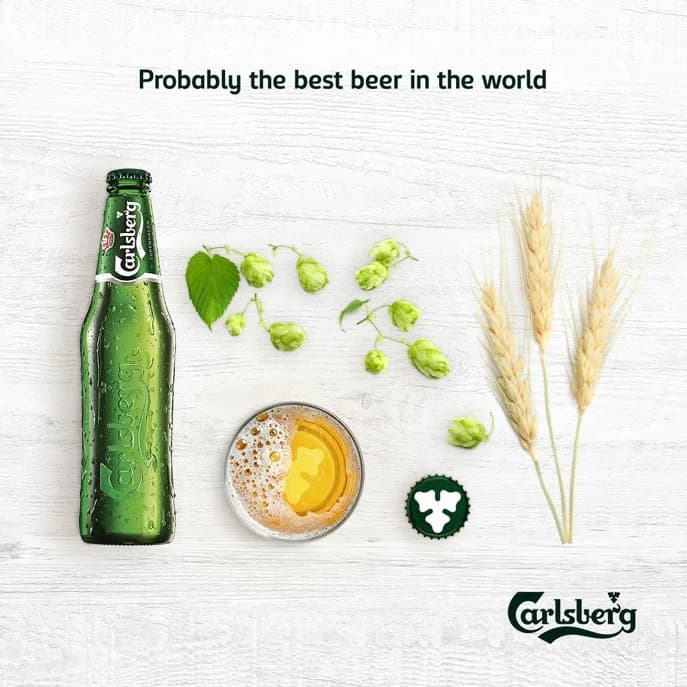
Most people see beer as something that's frowned upon. However, according to scientific findings, drinking beer in moderation can actually provide numerous health benefits. But since it's an alcoholic beverage, it's important not to forget that overdoing it can lead to harm, just as with any medicine taken in excess.
So how should you drink it in a balanced way? The answer is that you shouldn't drink more than 14 glasses of beer per week. On average, if you regularly drink 1 to 2 cold glasses of beer a day, you can gain many benefits for your health.
Let's explore the amazing health benefits of beer that might change your perspective on drinking it.
(1) It reduces the risk of heart disease
Those who drink beer in moderation have a lower risk of heart attacks, strokes, and other heart-related health problems compared to those who don't drink beer at all.
A study conducted by Cambridge University and University College London on over 1.93 million young people in the UK found that moderate drinking carries a lower risk of cardiovascular disease compared to heavy drinking.
Figure 1: Although heavy drinking carries a high risk of harm, medical research also shows that abstaining completely doesn't benefit health either. The key is to drink thoughtfully and in moderation.
(2) It helps prevent Type 2 diabetes
This is another surprisingly beneficial effect of beer.
A general study conducted on Danish people found that men who drank 14 glasses of beer per week and women who drank about 9 glasses of beer per week had the lowest risk of developing diabetes compared to those who didn't drink beer at all.
Another new study found that regularly drinking 24 grams of alcohol a day could reduce the risk of Type 2 diabetes by up to 30%.

(3) It can help prevent certain cancers
Figure 2 - Hops are an important source for cancer prevention.
Beer contains an important antioxidant called Xanthohumol, which is found in hops. Xanthohumol plays a major role in cancer prevention. A study by an Austrian research organization found that Xanthohumol can help inhibit abnormal cell growth and DNA damage.
In addition, beer is rich in polyphenols, which also support cancer prevention and treatment.
(4) It strengthens bones
Studies have found that beer varieties high in hops and barley content have higher levels of silicon, which helps keep bones healthy and strong.
One study found that older men and postmenopausal women who regularly drank 1 to 2 glasses of beer a day had higher bone density compared to those of the same age who didn't drink beer.
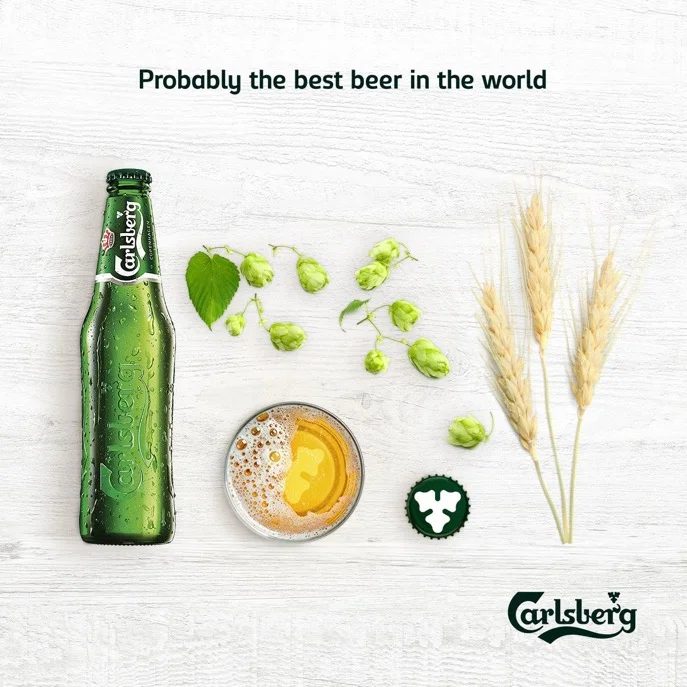
So if you're looking for a beer variety rich in hops and barley that supports bone health, choose Carlsberg.
(5) It helps prevent kidney stones
Studies have found that while drinking soda can increase the risk of kidney stones, drinking beer can reduce the risk of kidney stones by up to 41%.
Since beer contains up to 93% water content, it stimulates the flushing out of alcohol metabolism byproducts in the body and causes more frequent urination, which can help cleanse the kidneys.

(6) It boosts memory and improves mood
Drinking 1 to 2 glasses of beer doesn't just make you smarter — it can also boost your creativity.
In addition, the antioxidant called Xanthohumol found in hops can reduce memory decline and improve associative thinking ability. This chemical compound also protects against brain cell damage related to Alzheimer's disease.
Drinking beer raises dopamine levels in the brain, making you feel more relaxed and content. So now might be the perfect time to relax with a cold glass of Yoma beer.
Figure 3 - Grab a cold Yoma beer now and relax with peace of mind.
(7) It reduces bad cholesterol
If you want to reduce the bad cholesterol in your body, start drinking 1 to 2 glasses of beer from today. Beer doesn't just contain no cholesterol — it also increases the good cholesterol level in your body.
Drinking beer increases the levels of lipoprotein, the good type of cholesterol, in your blood vessels. Beer is also high in fiber content, which can help reduce LDL cholesterol, the type of cholesterol harmful to the heart.
(8) "Beer belly" isn't actually caused by beer
If you feel like your stomach is bloating because of drinking beer, you should reconsider. Most studies show that drinking beer in moderation not only doesn't cause a "beer belly" but can even lead to weight loss compared to non-drinkers.
Beer can speed up your body's metabolism and reduce fat accumulation, helping you become healthier. So if consumed in moderation, it can actually become part of a health-appropriate diet.
(9) Drinking beer increases vitamins that make your skin more beautiful
Can drinking beer make you more beautiful? The answer is yes. The vitamins in beer help prevent acne and give your skin a glow.
Additionally, the hops and barley in beer keep hair healthy and strong and reduce blemishes, giving you a more radiant, healthier look.
Drinking beer can increase antioxidants like Vitamin E that keep skin bright and clear, helping you look younger than your actual age.

(10) Drinking beer makes you happy
You already know that nothing beats a cold glass of beer at the end of a hot day to relieve fatigue. But there's more science behind this than you might think.
Science shows that drinking beer doesn't just relieve tiredness and exhaustion — there's evidence proving it can genuinely make you happy.'
Figure 4 - Did you know that drinking beer can actually make you happy?
German scientists analyzed 13,000 different types of food to determine which foods stimulate the brain's pleasure centers, and surprisingly found that beer topped the list.
Beer stimulates the release of more dopamine, the hormone responsible for good feelings, in the brain's pleasure centers, which can boost our mood.
Furthermore, beer is said to be a key secret to human success. So by drinking beer in moderation, you can enjoy healthier and happier days.
Who should avoid drinking beer?
While scientific studies show that beer can offer surprisingly good health benefits, it's important not to forget that it contains alcohol. Therefore, people under 18 years old, pregnant women, breastfeeding mothers, and those with health issues should avoid drinking beer.