
Food poisoning can range from life-threatening cases to milder ones that simply cause discomfort and vomiting. It often happens when we eat food that doesn't agree with us, or food that has gone bad or grown mold.
To avoid the risks of this condition, it's important to carefully follow the guidelines below.
What kinds of food should be kept in the refrigerator
Some foods are kept in the refrigerator to stay fresh and last longer. Foods labeled "Keep Refrigerated" and foods with expiration dates should be stored in the fridge.
Leftover food that hasn't been finished should be put back in the refrigerator within 2 hours of eating, and should be finished within 2 days.
Canned food that has already been opened should not be put back in the refrigerator, as the metal may react chemically.
How to keep your refrigerator from getting damaged
Source: realsimple.com
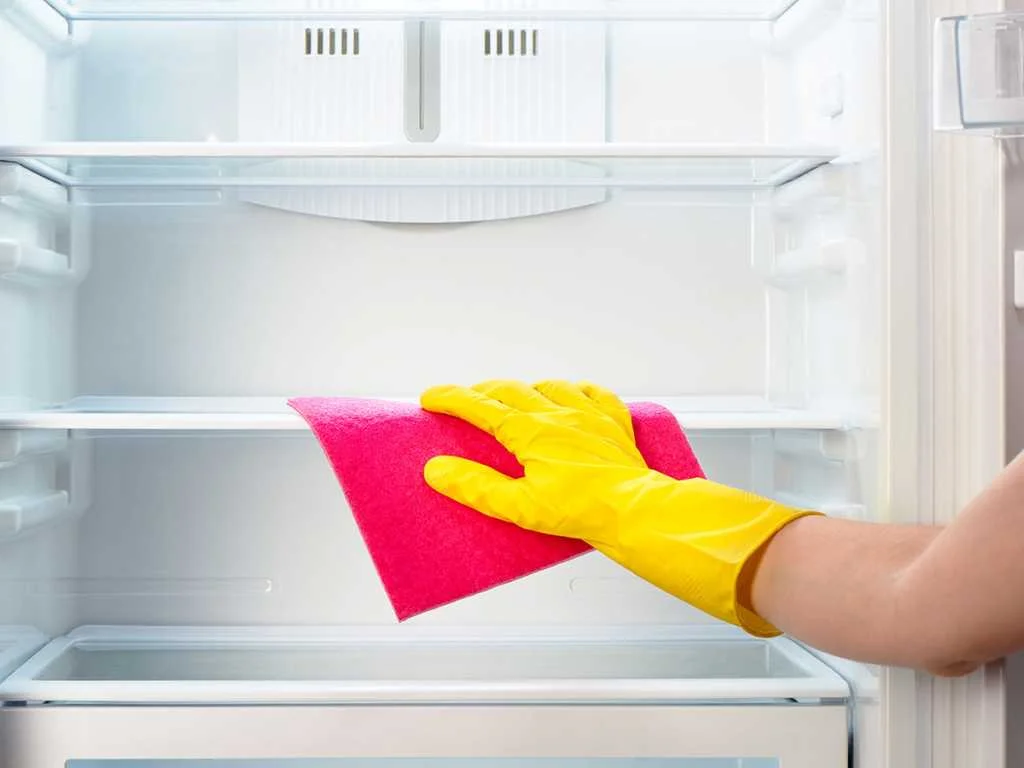
Your refrigerator's temperature should be kept at 5 degrees Celsius or lower. Also, if the refrigerator gets dirty, it should be cleaned regularly.
Foods that should be kept in the refrigerator
Keep foods such as yogurt, cheese, milk, meat and fish, chicken eggs, duck eggs (boiled eggs can also be stored), bananas, and bread in the refrigerator.
When reusing the same bag
Source: chefsteps.com
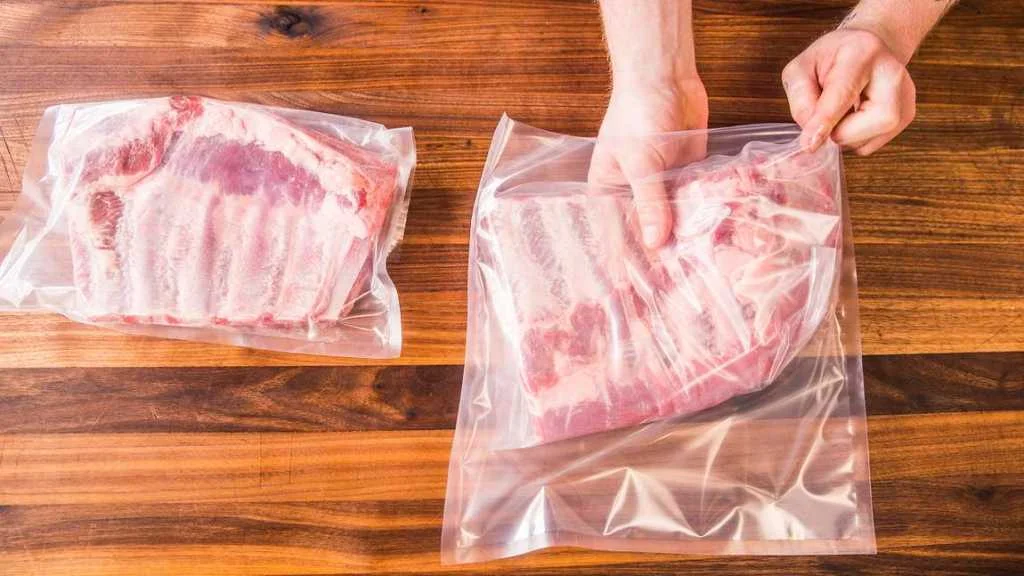
To help protect the environment, people have been reducing their use of plastic bags and reusing the same bags repeatedly. However, plastic bags that have held raw meat or fish should not be reused. When disposing of them, they should be wrapped carefully so that flies don't gather around them before throwing them away.
When using cloth bags, it's best to use separate bags for meat/fish and for vegetables. Since cloth bags and gunny sacks are more useful than plastic bags, replacing plastic bags with them is a good way to help protect the environment in one small way.
Source: Nhs.uk
[Zawgyi]
Food poisoning can range from life-threatening cases to milder ones that simply cause discomfort and vomiting. It often happens when we eat food that doesn't agree with us, or food that has gone bad or grown mold.
To avoid the risks of this condition, it's important to carefully follow the guidelines below.
What kinds of food should be kept in the refrigerator
Some foods are kept in the refrigerator to stay fresh and last longer. Foods labeled "Keep Refrigerated" and foods with expiration dates should be stored in the fridge.
Leftover food that hasn't been finished should be put back in the refrigerator within 2 hours of eating, and should be finished within 2 days.
Canned food that has already been opened should not be put back in the refrigerator, as the metal may react chemically.
How to keep your refrigerator from getting damaged
Source: realsimple.com
Your refrigerator's temperature should be kept at 5 degrees Celsius or lower. Also, if the refrigerator gets dirty, it should be cleaned regularly.
Foods that should be kept in the refrigerator
Keep foods such as yogurt, cheese, milk, meat and fish, chicken eggs, duck eggs (boiled eggs can also be stored), bananas, and bread in the refrigerator.
When reusing the same bag
Source: chefsteps.com
To help protect the environment, people have been reducing their use of plastic bags and reusing the same bags repeatedly. However, plastic bags that have held raw meat or fish should not be reused. When disposing of them, they should be wrapped carefully so that flies don't gather around them before throwing them away.
When using cloth bags, it's best to use separate bags for meat/fish and for vegetables. Since cloth bags and gunny sacks are more useful than plastic bags, replacing plastic bags with them is a good way to help protect the environment in one small way.
Source: Nhs.uk