
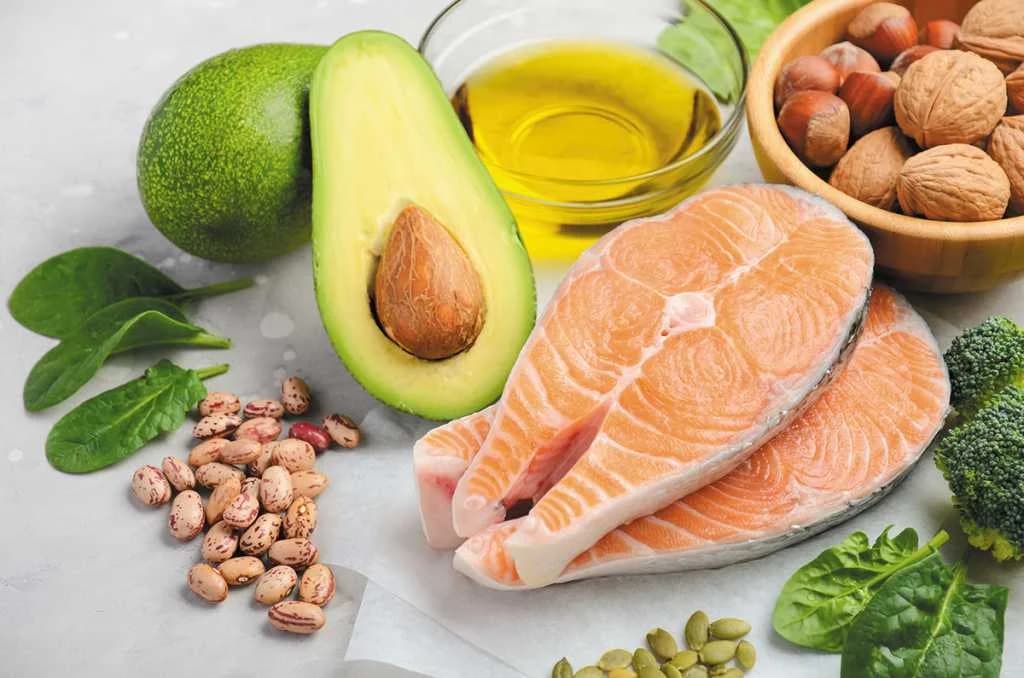
In today's world where people prioritize and pay more attention to health, we often hear about fats. Some fats are good for our health, while some fats can be harmful to our health.
Oil is an essential ingredient when cooking. So how can we distinguish between fats that are good for health and fats that harm health?
What is saturated fat?

Saturated fats are obtained from animals. They are found in chicken and red meats, and butter and all dairy products also contain high amounts of saturated fat.

Saturated fats tend to change from liquid form to solid form depending on the temperature. Studies have found that saturated fats raise cholesterol and are linked to the occurrence of heart disease. Because of this, American researchers advise against consuming excessive amounts of foods containing saturated fat.
So what kind of oil is unsaturated fat?
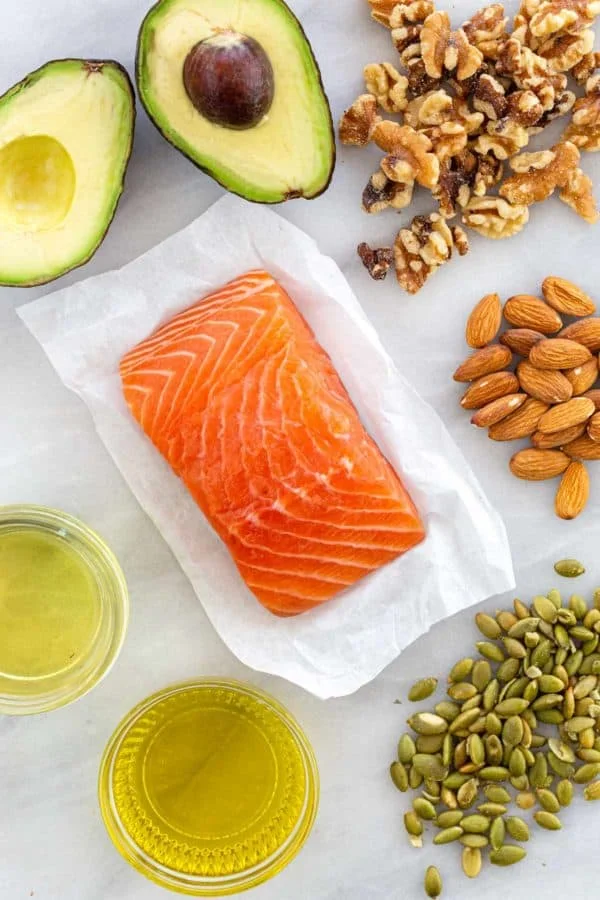
Unsaturated fat can be divided into two types: Monounsaturated Fat and Polyunsaturated Fat. Monounsaturated fat is obtained from plant sources, such as avocados, pumpkin seeds, almonds and other nuts. Polyunsaturated fat is obtained from fish rich in Omega-3 fatty acids, such as salmon and tuna. These fish are also rich in protein.

Studies have found that if you replace saturated fats with unsaturated fats when cooking, it can reduce bad cholesterol. Therefore, when cooking, you can use monounsaturated fats such as olive oil and peanut oil, and you can also replace them with polyunsaturated fats such as sunflower oil and soybean oil.
How should we consume unsaturated fats for balanced health?
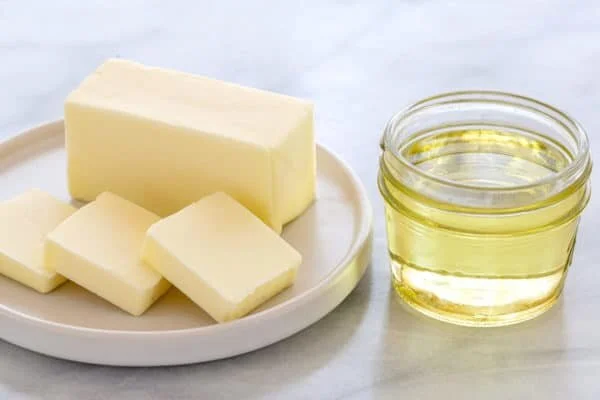
As mentioned earlier, when cooking, replace butter with olive oil, sunflower oil, or avocado fat.
If you eat one whole avocado a day, it can help support heart health.
When baking cakes, instead of using butter, mash avocado into a paste and use it as a substitute for butter paste.
You should regularly eat salmon and tuna, which are rich in fish oils, about two to three times a week.
Source: Jessicagavin.com