Eating food that has passed its expiration date without checking carefully, or taking a bite before realizing it's moldy — these are experiences most people have had at least once in their lives.
When you eat moldy food like this, your body can react in various ways. Let's take a look together at how it might respond.
Damage to the liver
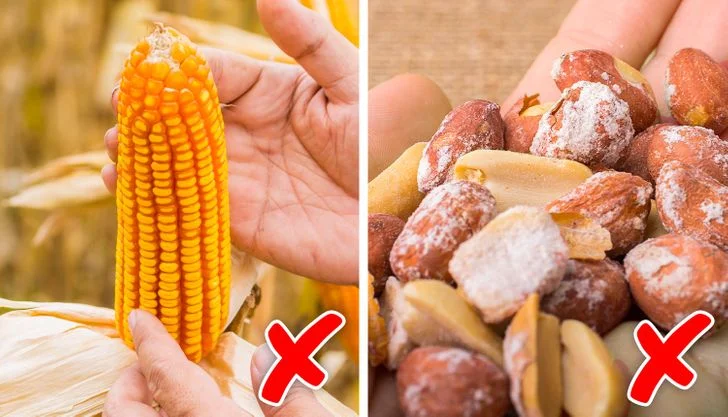
Because mold contains toxic chemical substances, eating moldy food can cause liver damage, vomiting, and general discomfort. Whether these symptoms occur also depends on your age and immune system.
Among these substances, one called Aflatoxin is the most toxic and can even cause cancer. Not all moldy foods cause cancer, but the mold found on corn and peanuts can cause cancer.
Food poisoning
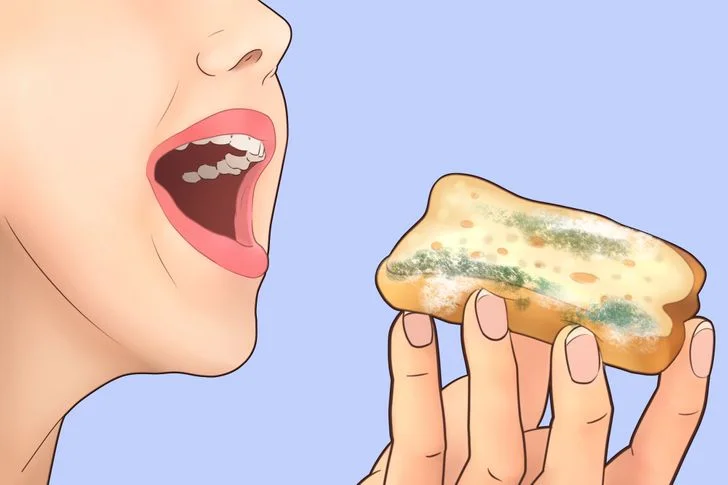
The bacteria found in mold can cause symptoms of food poisoning. If you feel unwell, dizzy, or nauseous after eating something, this is one of the signs of food poisoning.
Mold allergies
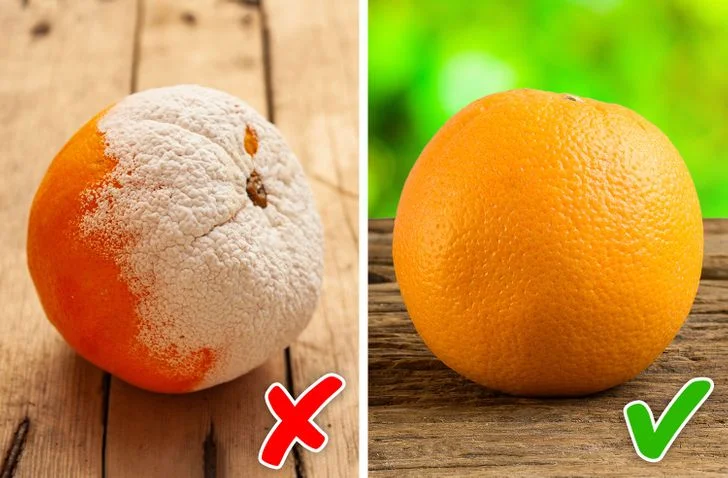
Some people are allergic to mold simply from touching moldy food. If just handling it causes skin itching, tearing eyes, hives, red spots, wheezing when breathing due to difficulty breathing, runny nose, or a stuffy nose, you should seek treatment from a nearby doctor as soon as possible. These symptoms are signs of a mold allergy.
Some moldy foods, however, can be easily digested by the body.
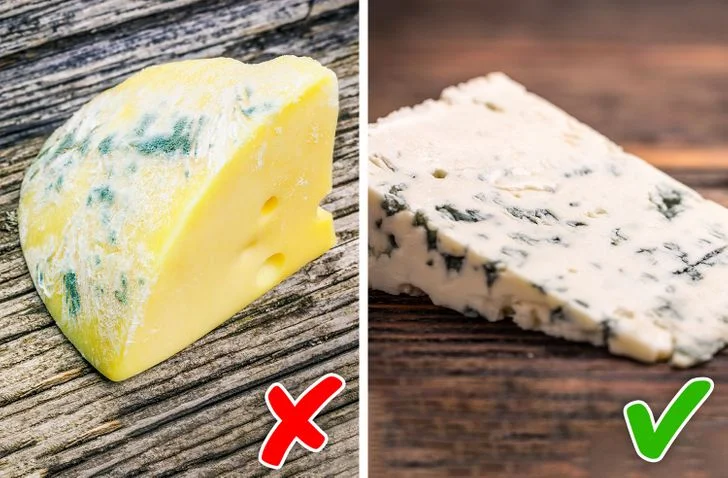
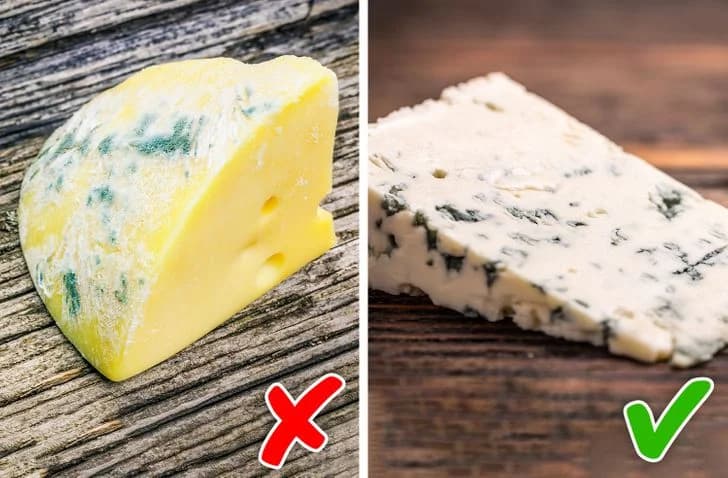
Molds used in cheese-making can be eaten with confidence. Cheeses such as Gorgonzola, Roquefort, and Blue cheese are made by intentionally exposing them to mold to create their distinctive flavor. Camembert and Brie cheeses also contain white mold.
However, even though these cheeses are fermented with mold, you should still avoid any mold that develops because the cheese has gone past its expiration date. Also, as mentioned above, people who are allergic to mold should absolutely avoid eating these cheeses.
Source: Brightside.me